
What is plastic injection molding and how does it work?
Plastic parts are used in many industries. A variety of plastic components are used to protect, enhance and build a wide variety of products, from automobiles to home appliances and medical devices. However, few manufacturers know exactly how their plastic parts are produced.
With its reliable, high-quality performance, Injection molding is one of the most common processes for producing plastic parts. In fact, the injection molded plastics market is expected to grow at a compound annual growth rate (CAGR) of 4.6% through 2028.
However, while it is capable of rapidly producing large volumes of plastic parts, the injection molding process must be tightly controlled to maintain the quality of the final part. This article explains how injection molding works and how experienced manufacturers control the process to produce the highest quality plastic parts. We'll cover:
What is Injection Molding?
How does injection molding work?
How Essentra Components uses Injection Molding
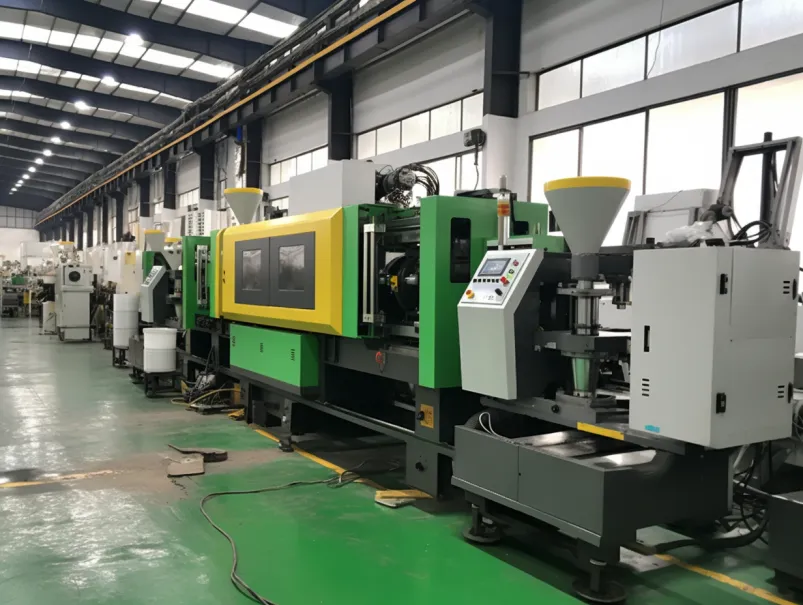
What is Injection Molding?
Injection molding is a complex manufacturing process. The process uses specialized hydraulics or electric motors to melt, inject and shape the plastic into the shape of a metal mold mounted in a machine.
Plastic injection molding is the most widely used part manufacturing process for several reasons, including:
Flexibility: Manufacturers can choose the mold design and thermoplastic type used for each component. This means that the injection molding process can produce a wide variety of components, including complex and highly detailed parts.
Efficiency: Once the process is set up and tested, injection molding machines can produce thousands of parts per hour. Using an electric injection molding machine also makes the process relatively energy-efficient.
Consistency: The injection molding process can quickly produce thousands of components with consistent quality if the process parameters are tightly controlled.
Cost-effective: Once the mold (the most expensive element) is built, the production cost per part is relatively low, especially in high-volume production .
Quality: Whether manufacturers are looking for strong, tensile or highly detailed parts, the injection molding process can produce them repeatedly with high quality.
This cost-effectiveness, efficiency and part quality are just some of the reasons why many industries choose to use injection molded parts in their products.
How does injection molding work?
Although the injection molding process appears simple on the surface, there are many parameters that need to be tightly controlled to ensure the overall quality of the plastic parts produced. Gaining insight into processes and parameters will help manufacturers identify plastic part producers who can deliver the quality and consistency they need.
Step 1: Select the right thermoplastic and mold
Before the actual process begins, it is critical to select or create the correct thermoplastic and mold as these are the essential elements to create and form the final assembly. In fact, to make the right choice, manufacturers need to consider how the thermoplastic and the mold will interact, as certain types of plastic may not be suitable for a particular mold design.
Each mold consists of two parts: a cavity and a core. The cavity is the fixed part into which the plastic is injected, and the core is a moving part that fits into the cavity to help form the final shape of the component. Depending on the requirements, mold tools can be designed for the production of multiple or complex components. The high pressure and high temperatures that mold tools are repeatedly subjected to means they are often made of steel or aluminum.
Due to the high level of design and material quality involved, developing tooling for molds is a lengthy and expensive process. Therefore, it is recommended to use computer-aided design (CAD) and 3D printing techniques to create tooling, prototype and test before creating the final custom mold. These tools can be used for digital development or to create prototype molds, which can then be tested in the machine with the thermoplastic of choice.
Using the correct thermoplastic testing tool is key to ensuring the correct properties of the final assembly. Each thermoplastic has different properties, temperature and pressure resistance due to its molecular structure. Plastics with an ordered molecular structure are called semi-crystalline plastics, and plastics with a looser structure are called amorphous plastics.
The properties of each plastic make it suitable for use in certain molds and parts. The most commonly used thermoplastics in injection molding and their characteristic properties include:
Acrylonitrile-Butadiene-Styrene (ABS) – ABS has a smooth, hard and tough surface and is ideal for Components requiring tensile strength and stability.
Nylon (PA) – There are many types to choose from and different nylons have different properties. In general, nylon has good temperature and chemical resistance and can absorb moisture.
Polycarbonate (PC) – A high-performance plastic, PC is lightweight, has high impact strength and stability, and good electrical performance.
Polypropylene (PP)——has good fatigue resistance and heat resistance, PP is semi-rigid and translucent And tough.
The final thermoplastic selection will depend on the properties and mold design desired by the manufacturer for the final assembly. For example, if a manufacturer needs a lightweight part with electrical performance, then PC would be suitable, but only if the mold does not need to run above 135°C or under very high pressures, which plastics cannot withstand.
Step 2: Feed and melt the thermoplastic
Injection molding machines can be driven hydraulically or electrically. Electric injection molding machines are increasingly replacing their hydraulic presses with significant cost and energy savings. At the most basic level, these machines consist of a feeder, or "hopper," at the top of the machine; a long cylindrical heated barrel that houses a large injection screw; a door at the end of the barrel; The selected mold.
Step 3: Inject plastic into mold
Once the molten plastic reaches the end of the barrel, the gate (which controls plastic injection) closes and the screw moves backmove. This draws in a volume of plastic and builds pressure in the screw, ready for injection. At the same time, the two parts of the mold are brought together and subjected to high pressure, called clamping pressure.
Injection pressure and clamping pressure must be balanced to ensure that the part is formed correctly and that no plastic escapes from the tool during injection. Once the tool and screw reach the proper pressure, the gate opens, the screw moves forward, and injects molten plastic into the mold.
Step 4: Warm and Cool Time
Once most of the plastic has been injected into the mold, it remains under pressure for a set period of time. This is called the "hold time" and can range from milliseconds to minutes, depending on the type of thermoplastic and the complexity of the part. This hold time is key to ensuring the plastic wraps out of the tool and forms it properly.
After the hold phase ends, the screw retracts, releasing pressure and allowing the part to cool in the mold. This is known as the "cooling time" and it can also range from a few seconds to a few minutes and ensures that the component is set up properly before it is ejected and finished on the production line.
Step 5: Ejection and finishing process
After the hold and cool times have passed and the part is substantially formed, the pin or plate ejects the part from the tool. They fall into a compartment at the bottom of the machine or onto a conveyor belt. In some cases, finishing processes such as polishing, staining, or removing excess plastic (called spurs) may be required, which can be done by other machines or operators. Once these processes are complete, components can be packaged and distributed to manufacturers. &
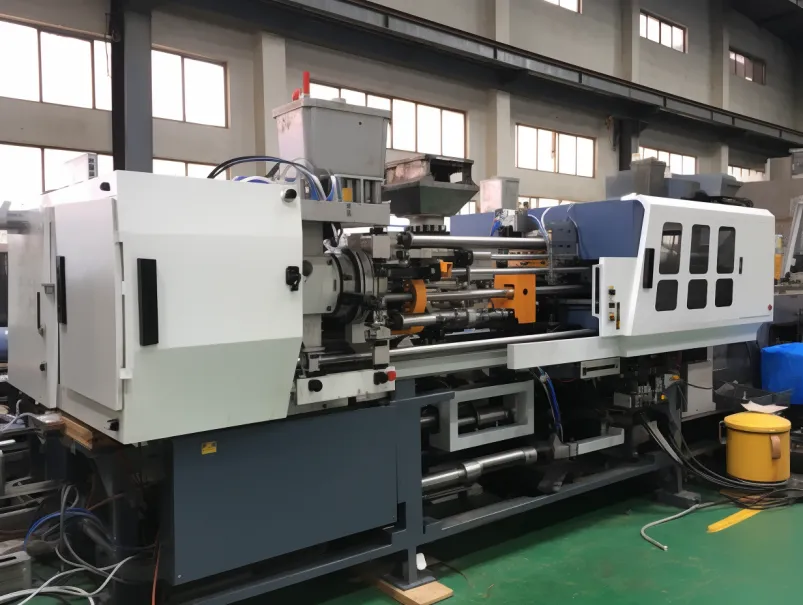 C Moldings
How C & C Moldings uses injection molding
At C & C Moldings, injection molding is a key production process. That's why we employ hundreds of injection molding specialists in our manufacturing centers around the world. From developing and testing custom molds to setting process parameters, the C & C Moldin team has the capacity to produce millions of experience required to produce consistent, high-quality parts.